
Displaced. Never Defeated.
Every great American whiskey story seems to end in Kentucky. The story’s beginning, though, starts in Pennsylvania — and it never actually ended. It just got better.
Before bourbon, there was rye.
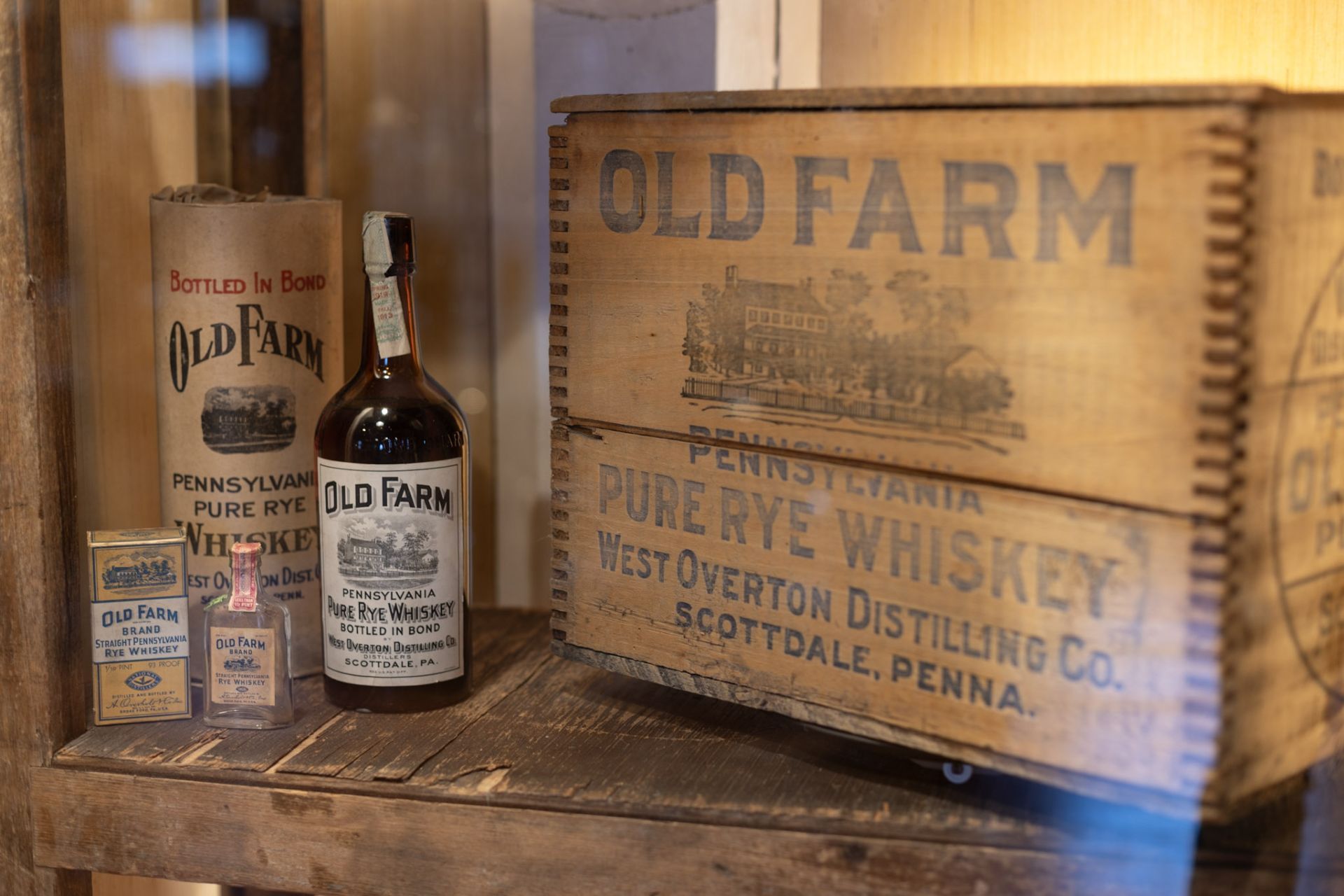
Rye grows where corn struggles, and in cool, hilly early Pennsylvania, rye is what farmers had. They distilled it because a barrel was easier to haul to market than a wagon of grain, and worth more when it got there. The result had bite and structure — the whiskey that defined American taste for the better part of a century.
Pennsylvania Rye
America's True Spirit


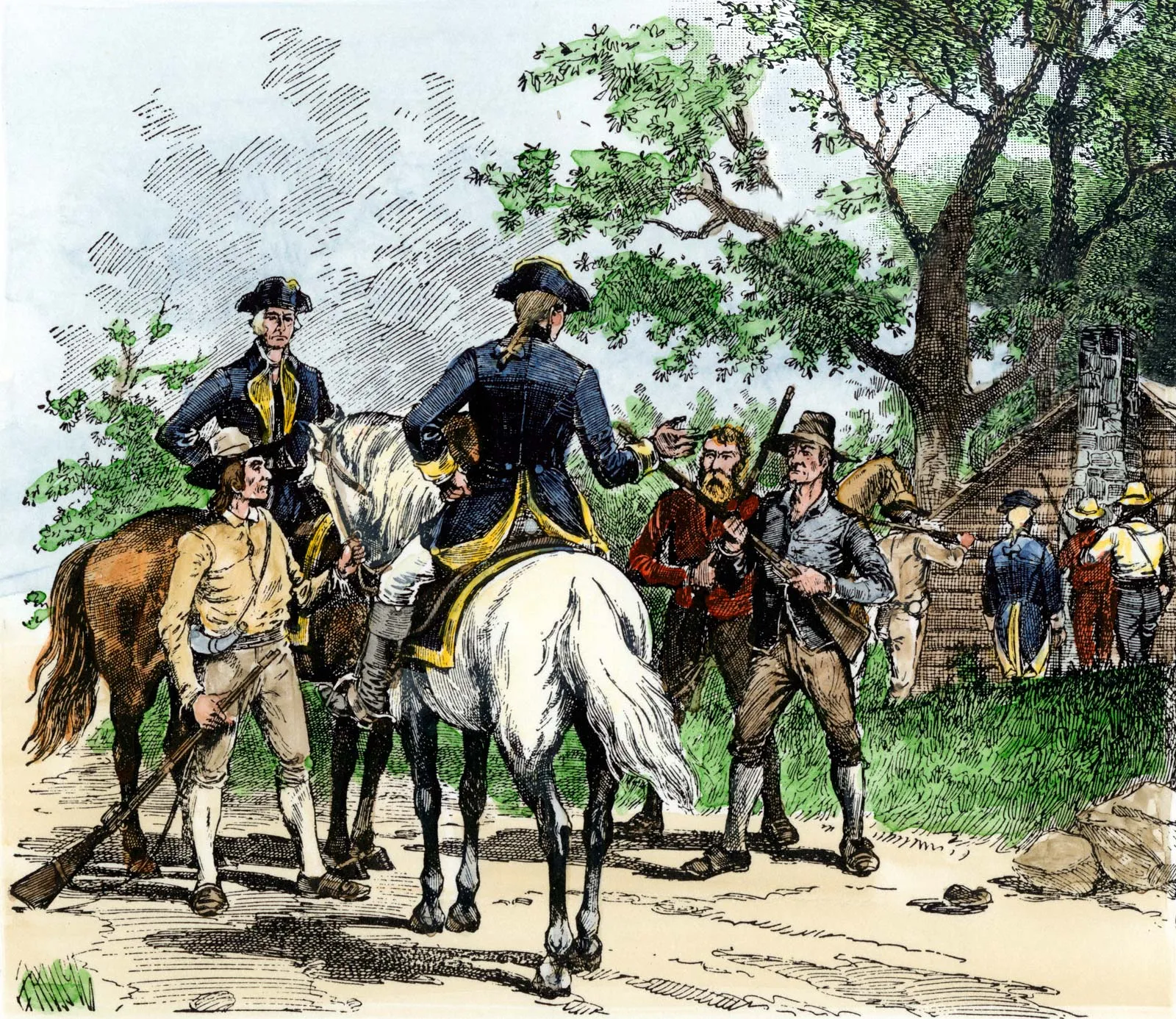
The Whiskey Rebellion.
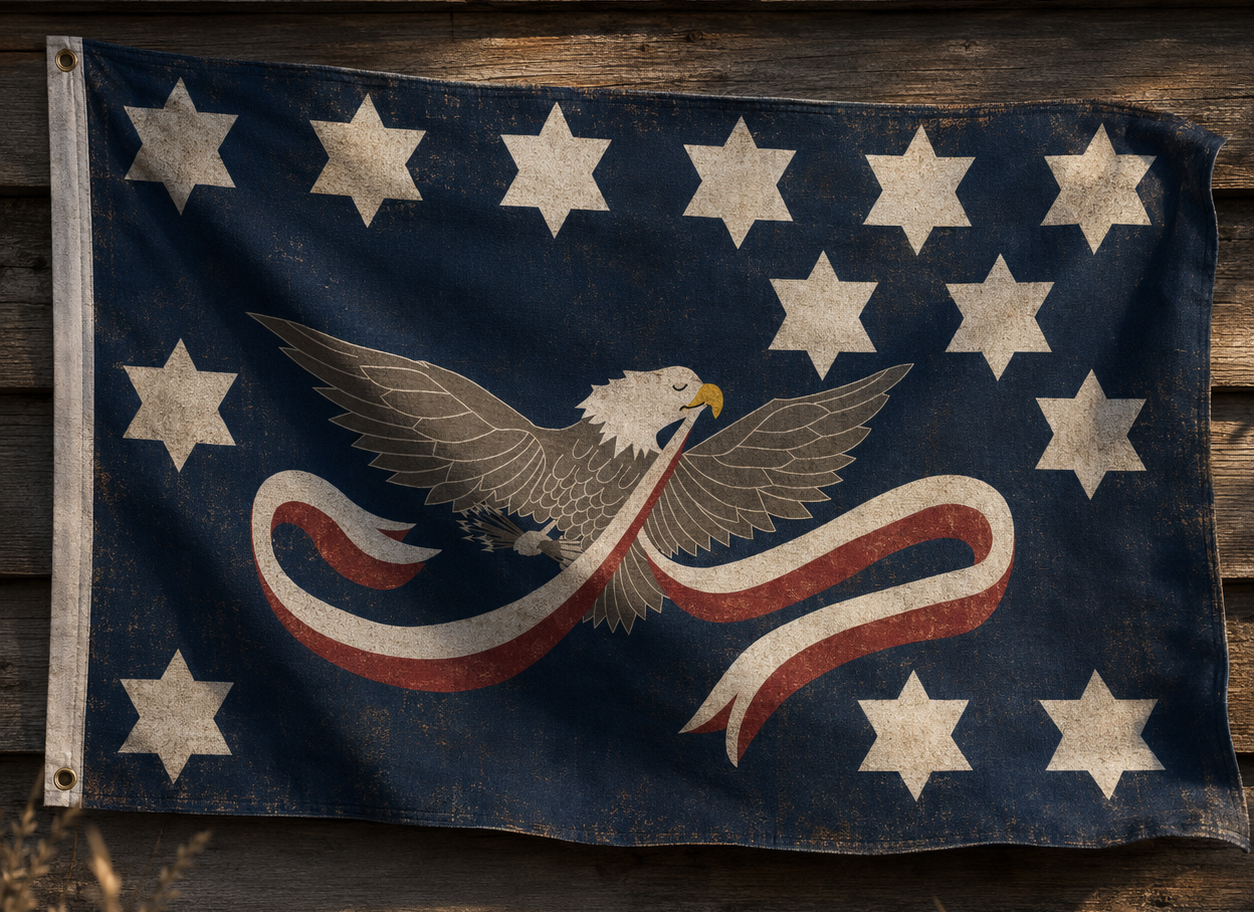
Rye whiskey was a way of life in PA. The grain and the spirit were commodities communities relied on across the Commonwealth. In the 1790s, a federal tax on whiskey hit Pennsylvania’s western farmer-distillers hardest, and they pushed back hard enough to test the young nation’s authority. It was never really about liquor. It was about who gets to make a living, and on whose terms. That refusal is baked into the category.
The Monongahela style.
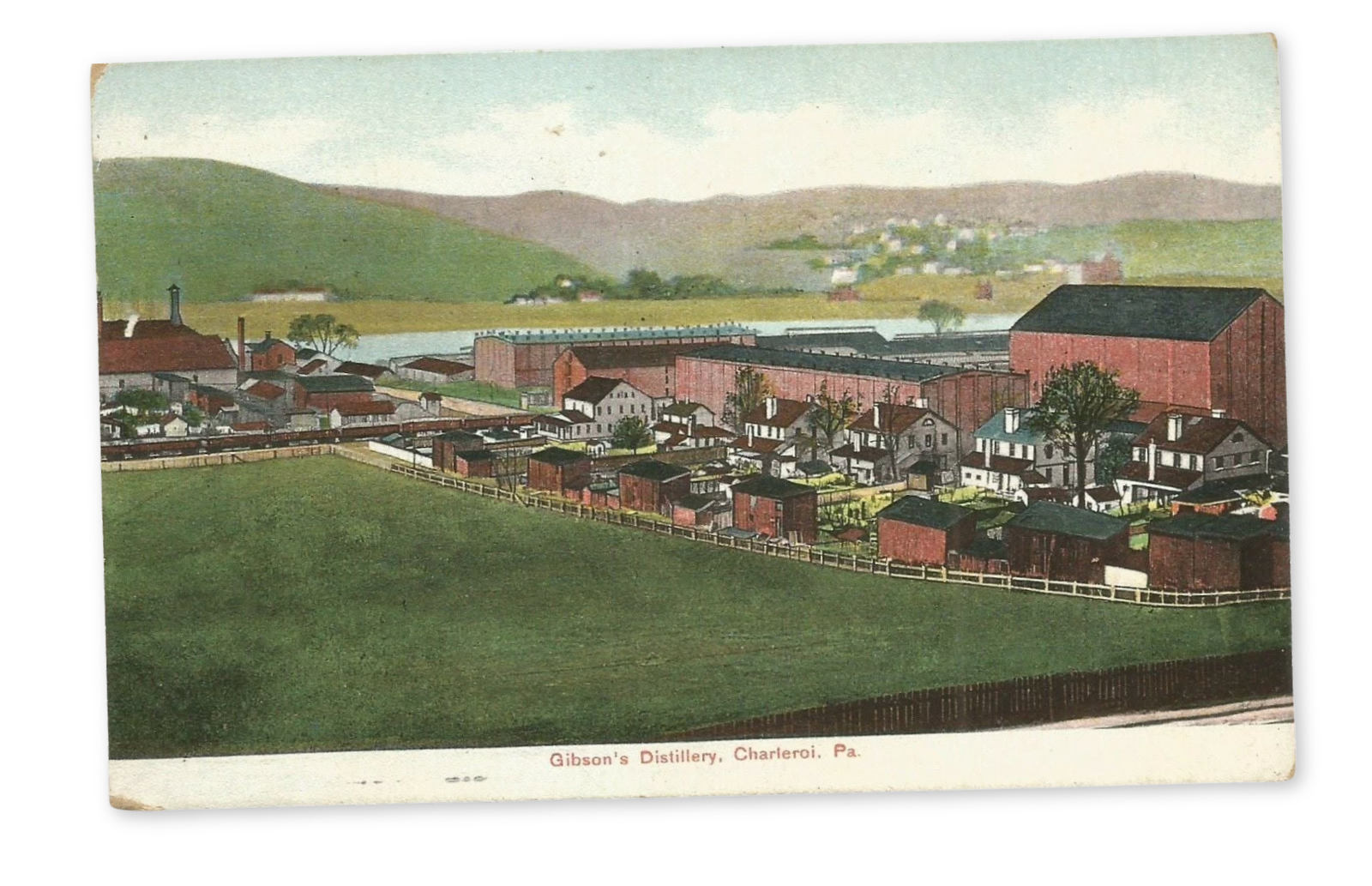
Along the Monongahela River, a recognizable style took hold — high in rye, made with care, unapologetically full-flavored. “Monongahela rye” meant something nationwide. Then Prohibition closed the stills, the brands scattered, and bourbon — with a head start and a friendlier corn supply — became the American whiskey people pictured.
The revival, with proof.
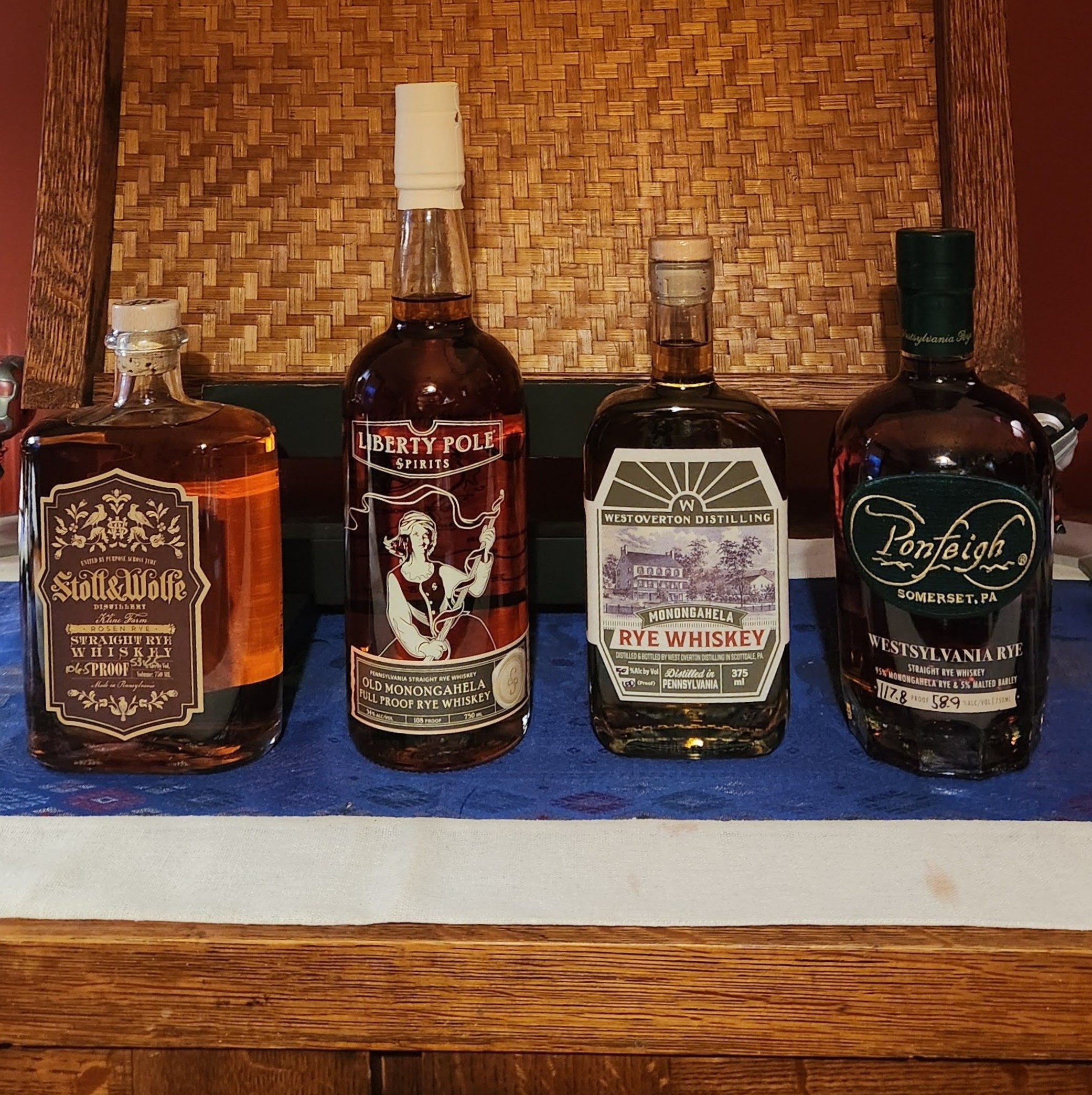
What’s happening now isn’t nostalgia — it’s documented work. Dad’s Hat in Bristol and Wigle in Pittsburgh restarted Pennsylvania rye in 2011. Stoll & Wolfe in Lititz was founded with master distiller Dick Stoll, a direct line to the pre-craft era. Distillers and farmers are reviving Rosen rye from saved seed. Liberty Pole in Washington County, Iron City’s Bessemer Rye in Creighton, Ponfeigh in Somerset, and others are making Monongahela-style rye on home ground.
Rye with an address.
The best of it can be traced — grain milled a few miles from the still, barrels coopered in Pennsylvania. When the grain, the wood, and the hands are all from here, the place ends up in the glass. That’s a claim Pennsylvania can make and few others can.
Not every rye whiskey is a real Pennsylvania Rye either. There are standards*. It has to be a sweet mash using more than 60% rye, and 75% of total grain grown in PA, while also being distilled below 145 proof, matured in charred, American oak barrels, all within the Commonwealth. The bar is higher for Monongahela Rye–a minimum of 70% rye and no corn, only wheat and barley, distilled below 145 proof, aged in charred American oak barrels at a 55% abv fill proof, and bottled above 92 proof all in Pennsylvania.
*Pennsylvania and Monongahela Rye must also adhere to all Alcohol Tobacco Tax and Trade Bureau (TTB) regulations for rye whiskey.
Pennsylvania’s Pioneering Spirit – A Documentary
The upcoming documentary, Pennsylvania’s Pioneering Spiritexplores the history and future of Pennsylvania whiskey. Featuring insights from distillers, historians, and enthusiasts, the film uncovers the untold stories behind the Commonwealth’s legendary distilling legacy and rye whiskey’s enduring influence. Watch the trailer now.

Mailing List