


A Spirit Rooted in Place
Pennsylvania didn't pick up distilling as a trend. It helped invent American whiskey — and the proof is still in the ground, the grain, and the glass. Step into it.
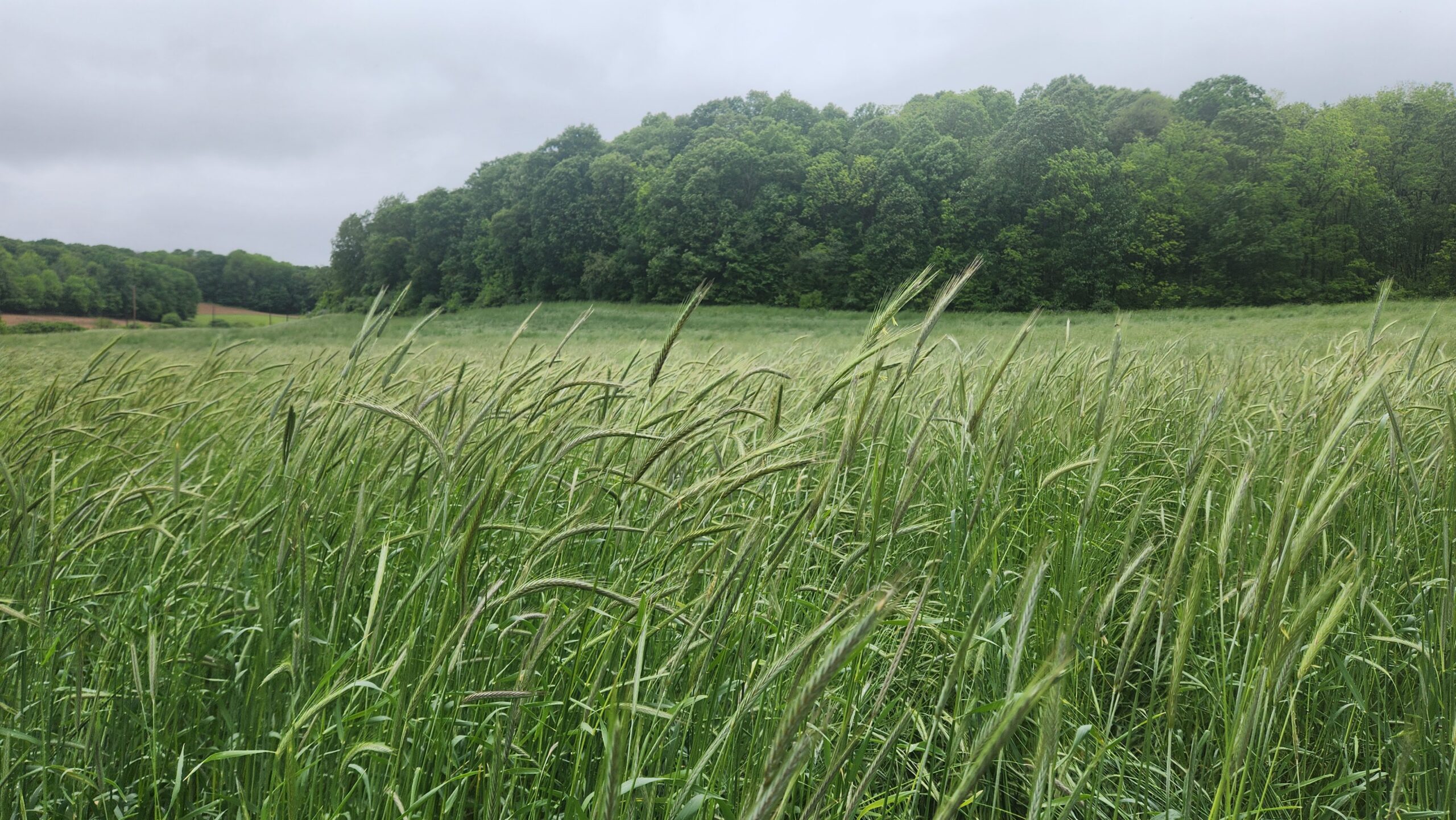
The grain came first.
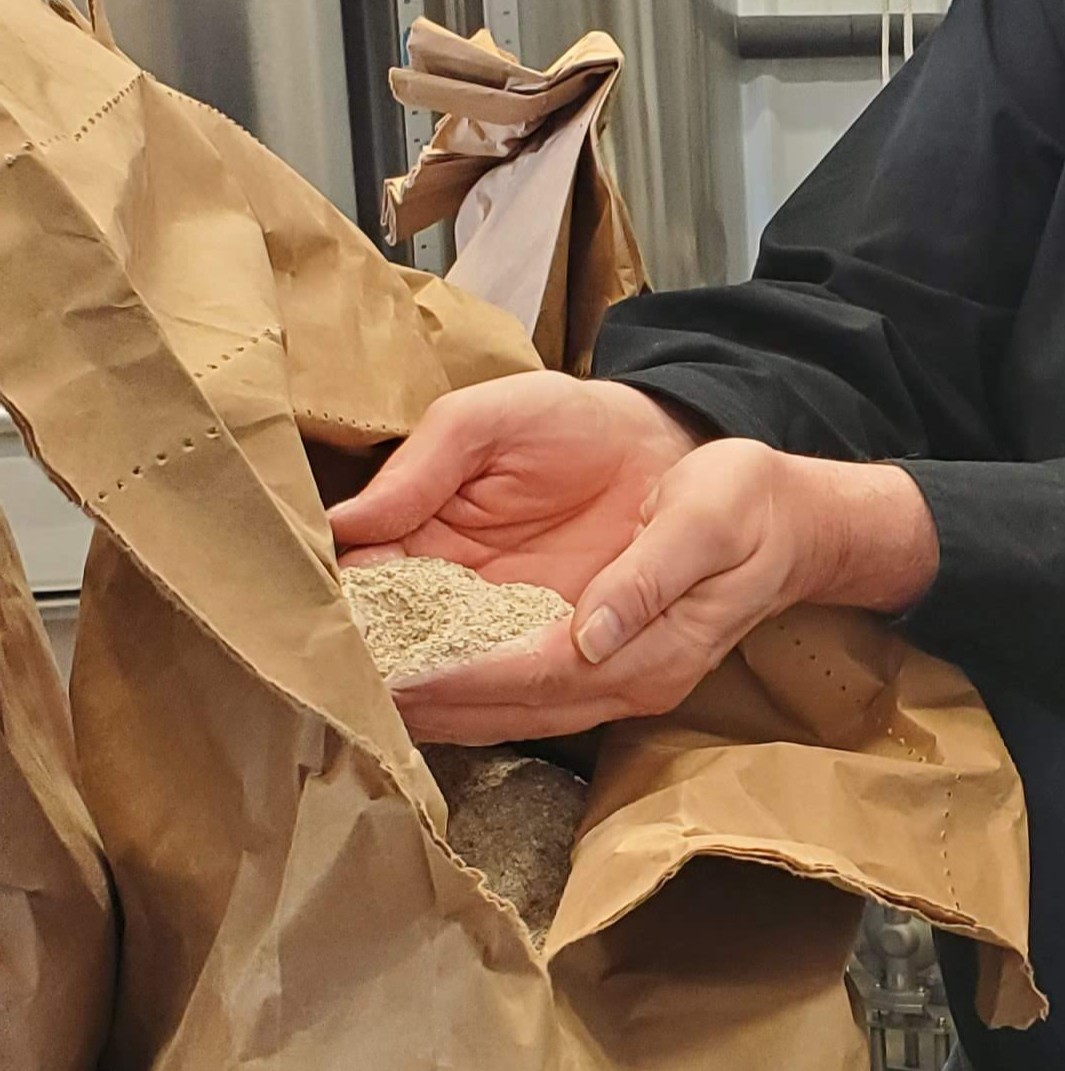
Rye thrives in Pennsylvania’s soils, and early farmers turned their harvest into something that traveled and held its value. Distilling here grew out of agriculture — a way to make the land pay — and that link between farm and bottle is still the heart of it.


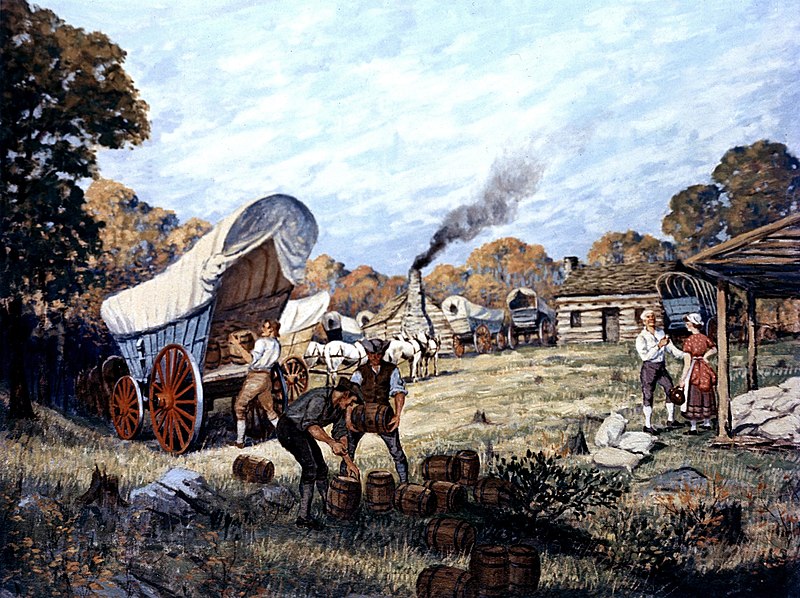
The freedom to make a livelihood.
When the young federal government taxed whiskey in the 1790s, Pennsylvania’s farmer-distillers resisted. The Whiskey Rebellion is part of the national story, and it happened right here — proof that this spirit has always been tied to independence and livelihood.
From dominance to dormant.
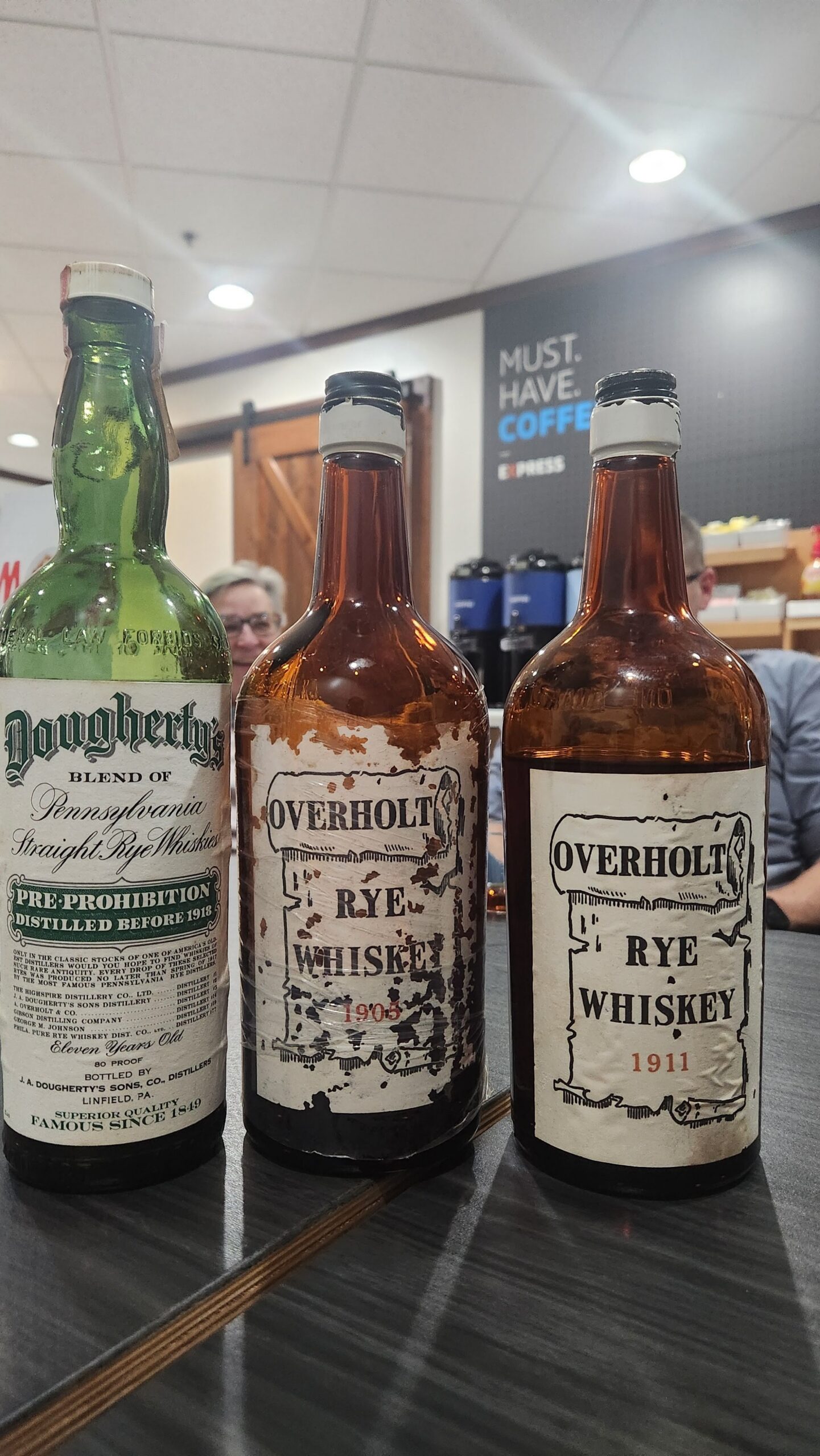
Early brands like Michters, Old Overholt, and Gibson, born in the 1800s grew to become legends of dominance. For generations, Pennsylvania’s Monongahela rye was the benchmark for American whiskey. Then suddenly Prohibition shuttered the stills and the spotlight moved on. The tradition didn’t vanish though. It waited.
The revival.
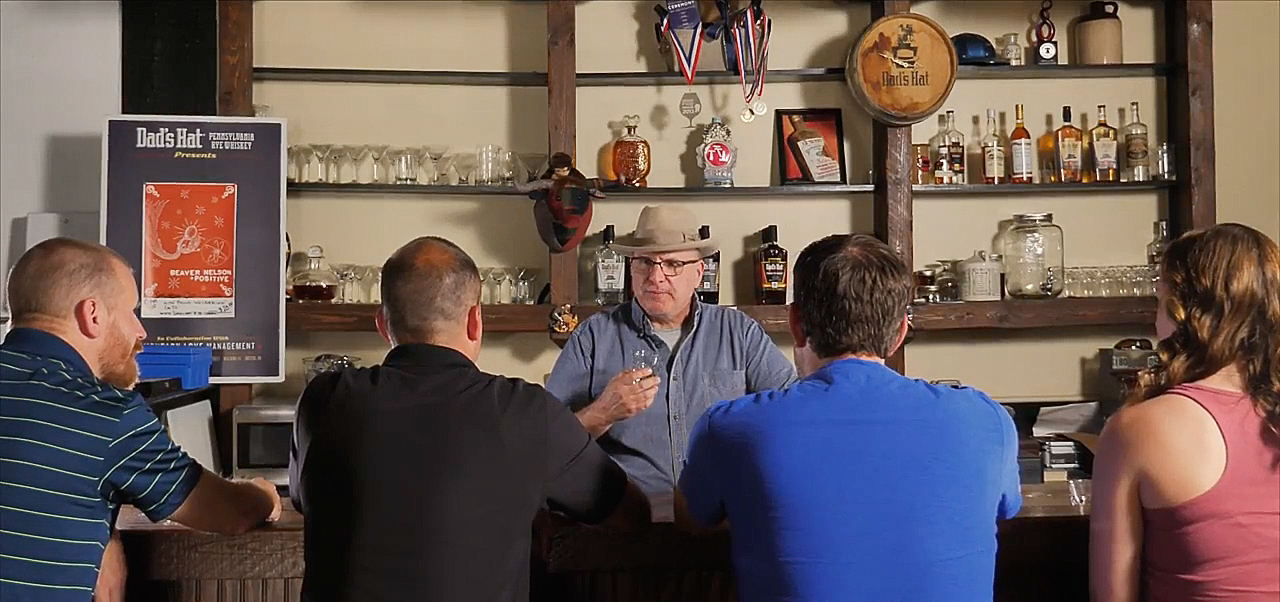
Since the early 2010s, a new generation has brought it back — reopening stills, reviving heritage grains like Rosen rye from saved seed, and reconnecting with the farms next door. From Pittsburgh to Bristol, Lititz to State College, the makers honor the method without freezing it in the past.
Grain to grass.
Some of Pennsylvania’s distillers can trace their craft spirits from the field forward — grain grown nearby, malted in-state by houses like Deer Creek and Double Eagle, aged in barrels coopered in Pennsylvania, and even spent grain returned to local farms. When the whole chain stays close to home, the place ends up in the bottle.


Mailing List