


October 28, 2026
Applejack, Fruit Brandy and Fruit-Flavored Spirits: What’s in the Bottle?
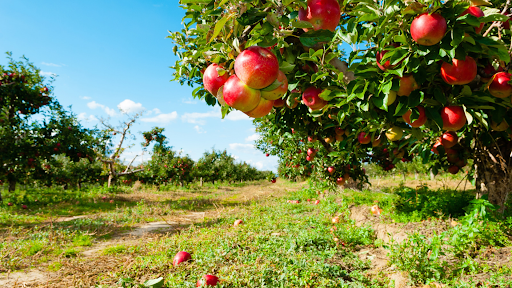
A Pennsylvania guide to following the fruit, from orchard to finished spirit.
An apple on a bottle can send your imagination straight to an orchard. Add a few words about pie or spice, and you might already be thinking about your next fall gathering.
But before you decide what to pour, there’s a useful question to ask: where does the fruit enter the process?
In fruit brandy, fermented fruit provides the foundation for the spirit. In a fruit-flavored drink, fruit or flavoring may be added to a spirit that has already been distilled. Applejack belongs within the apple brandy story, although the complete wording on the label matters.
You don’t need to memorize a set of regulations to explore these bottles. A little background can help you ask better questions and find something that fits the way you want to enjoy it.
Fruit brandy begins with fermented fruit
Fruit brandy is distilled from fermented fruit juice, mash or wine. Apple brandy begins with apples; other fruits have their own versions. Under federal labeling rules, fruit brandy made from a single fruit other than grapes generally names that fruit. Apple brandy may also be called applejack.
Pennsylvania offers examples beyond apples. Mountain View Vineyard, Winery & Distillery describes its Randy’s Brandy as grape-based and bottled at 40% alcohol by volume. That gives you one clear starting point: grapes are the basis of this brandy.
A fruit name alone doesn’t answer every question about a bottle. Ask about the production process, any additions and how the producer recommends serving it. Let the answers guide your expectations rather than assuming that every fruit spirit will taste like sweet juice.
A little history behind the names
Fruit brandy has a documented place in early American distilling. Mount Vernon records that the distillery established there in 1797 produced apple, peach and persimmon brandies alongside whiskey. Its account also identifies six enslaved men who worked in the distillery, an essential part of the people behind that production.
Applejack has its own long American story. The Oxford Companion to Spirits & Cocktails describes apple-based spirits as part of American life from colonial times through Prohibition, with especially deep roots in New Jersey.
You may have heard that applejack gets its name from “jacking,” a method of concentrating hard cider through freezing. The Oxford reference presents that name origin as a reported explanation, not a settled fact. It also notes that commercial producers historically used stills. That distinction matters: the word applejack should not lead you to assume a bottle was made by freezing cider.
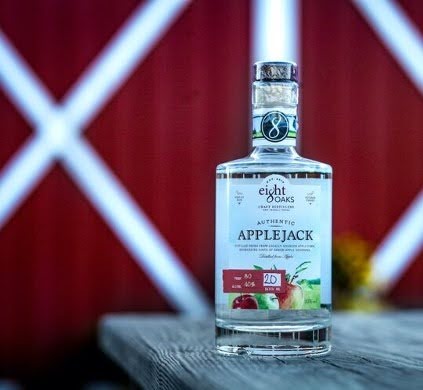
What applejack looks like in Pennsylvania today
The producer’s own description is a good place to continue the story.
Barley Creek in Tannersville describes its Applejack as made with local apples, distilled twice and aged for a year in oak barrels. The producer identifies it as a limited release, so check current availability before planning a visit around it.
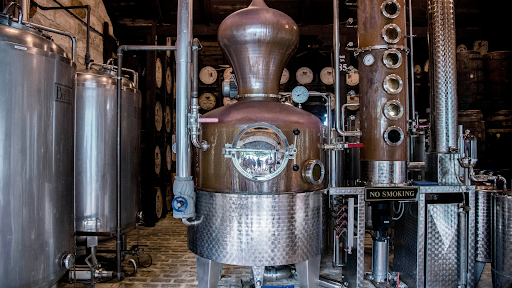
Eight Oaks offers another view of the process. Its Barrel Aged Applejack begins with fresh-pressed apples. The cider is fermented, distilled and then barrel-aged. Its published production details describe a maturation program that includes used rye whiskey barrels.
These examples show why it’s worth looking beyond the product name. Distillation and barrel choices give you more to ask about, while the fruit’s source opens a conversation about the growers behind the bottle. If a producer says “local,” ask where. A Pennsylvania distillery address by itself does not tell you where every ingredient was grown.
There’s also a label distinction worth knowing: “blended applejack” is a defined mixture of apple brandy and neutral spirits. Read the complete designation when comparing bottles.
When fruit joins an existing spirit
Fruit can enter the picture after distillation, too.
Mountain View describes its Easy Drinking Moonshine line as its vodka blended with real fruit, with varieties including peach, pear and raspberry. The producer lists these at 20% alcohol by volume. That is a different production description from its grape-based Randy’s Brandy.
We’re using “fruit-flavored spirits” here as an everyday description. For the bottle’s specific category and strength, read its full label designation and alcohol content.
For shopping purposes, focus on what the bottle and producer actually tell you: the base spirit, how the fruit or flavor is introduced, the strength and any information about sweetness. Those details are more useful than treating all bottles with the same fruit on the label as interchangeable.
Four questions for your next tasting-room visit
What was fermented and distilled?
This gets you to the foundation of the spirit: apples, grapes, grain or another ingredient.
Was fruit, flavoring or sweetener added afterward?
Ask how the finished drink was made. Avoid guessing from its name or color.
Was it aged, and in what kind of barrel?
For an aged product, the barrel story gives you another way to compare producers’ approaches.
How do you suggest serving this particular bottle?
Tell the tasting-room team whether you’re looking for something to sip or use in a cocktail. If you’re following a recipe, bring it along and ask whether the bottle is a suitable fit.
Follow the fruit to your next discovery
This fall, let the fruit name be an invitation to learn a little more. Ask about the orchard, the fermentation, the still or the barrel. Each answer can introduce another person or decision behind a Pennsylvania spirit.
Explore the Spirits of PA distillery directory to find your next stop, then check the producer’s current offerings before you go.
Want to see the Applejack process in action? Watch the video below where Lehigh Valley Live meets with Scholl Orchards and Eight Oaks Distillery!

Spirits of PA Bartender
Ask for a cocktail. Ask what to drink tonight. Ask where to find a distillery worth visiting. You'll get a real recommendation grounded in Pennsylvania's craft distilling heritage.
Meet the Bartender
Mailing List